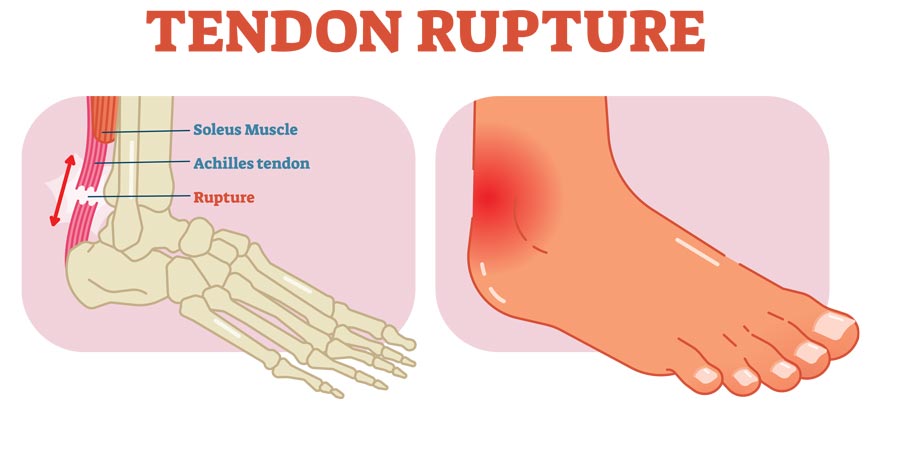
The largest tendon in the body connecting your calf muscle to heel bone is known as Achilles tendon. As the calf muscle contracts, the Achilles tendon pulls on the heel bone enabling you to walk, run, jump, climb or stand on your toes.
Sometimes, tendon contracture may occur during which the tendon stiffens, thereby limiting its flexibility. It is a common condition that may occur due to neurological or developmental abnormalities and trauma. Achilles tendon contracture is characterized by pain, discomfort, and inability to keep your heel down while walking.
What is Achilles tendon lengthening?
Achilles tendon lengthening (ATL) is a surgical procedure that involves cutting the Achilles tendon and allowing it to heal in a lengthened position. It is done by making small cuts on the tendon, thereby elongating the contracted tendon. This allows you to walk flat-footed on the floor and hence provides relief from chronic pain.
Depending on your condition there are three procedures for tendon lengthening. They include:
- Percutaneous method: Two to three small incision are made through the skin along the edges of the tendon. The tendon sectioning is performed carefully through these incisions in order to cause a lengthening, this possible due to the inherent nature of arrangement of the tendon fibres.
- Gastrocnemius Recession: It involves resecting the gastrocnemius muscle fibers located on the back of the knee, allowing them to slide downwards, thereby increasing the length of the muscle in relation to the leg.
- Z-Plasty: It is the most common procedure that allows for a precise control over tendon length to be achieved. A Z-shaped incision is made in the tendon and is stretched to a predetermined length and then the ends are sutured together achieving the desired effect.
Who is eligible for the surgery?
You might be eligible for the surgery when non-surgical options fail to correct your condition. Initially, the physician determines your condition through several screening and diagnostic tests. Depending on the test results your doctor decides whether you are a right candidate to undergo the procedure.
After the surgery
- Recovery after the surgery depends on the number of incisions and the post-surgical care.
- You will have to continue wearing a splint or cast for six to eight weeks post-surgery.
- Follow the instructions suggested by your doctor carefully regarding limiting physical activities to heal the tendon.
- Physical therapy will be recommended once the splint or cast is removed.
- Strengthening exercises of your ankle improves stability and flexibility.
- Complete recovery may take from three to six months.
What are the possible risks associated with ATL?
The ATL is subjected to certain risks depending on the type of procedure followed. The most serious of those is break down of the skin as the blood supply is tenuous in that region and also may prolong the healing process. Infections may occur after ATL like with any other surgery. Over-lengthening of the Achilles tendon is a serious risk associated with the procedure, leading to floppy heal and pressure injuries in the heel overtime. Tendon rupture may also happen during the post operative period, which may require additional surgery.
References:
- https://www.ncbi.nlm.nih.gov/pmc/articles/PMC4040383/
- https://www.nemours.org/content/dam/nemours/wwwv2/filebox/service/medical/Cerebral%20Palsy/Tendon-Achilles-Lengthening-TAL-Gastrocnemius-Recession-FINAL.pdf
- https://www.webmd.com/fitness-exercise/picture-of-the-achilles-tendon#1
- https://www.ncbi.nlm.nih.gov/pubmed/22489532