A child, while playing, had a fall on his elbow causing him unbearable pain. The child was rushed to the hospital and a prompt diagnosis confirmed that the boy’s elbow was slipped, which left his parents quite surprised and shocked.
Our elbow joint is amazingly stable and is composed of three bones namely the humerus, ulna and radius, the ends of which are covered with cartilage that helps the bones to glide smoothly and absorb shock. However, sometimes a dislocation may happen when the joint surfaces of these bones are separated or knocked out of place due to a fall or an accident. It is a painful condition that may make the elbow unstable or hard to move. Seeking immediate medical help is important as the dislocated bone may damage blood vessels, nerves, tendons or ligaments present in its immediate surroundings.
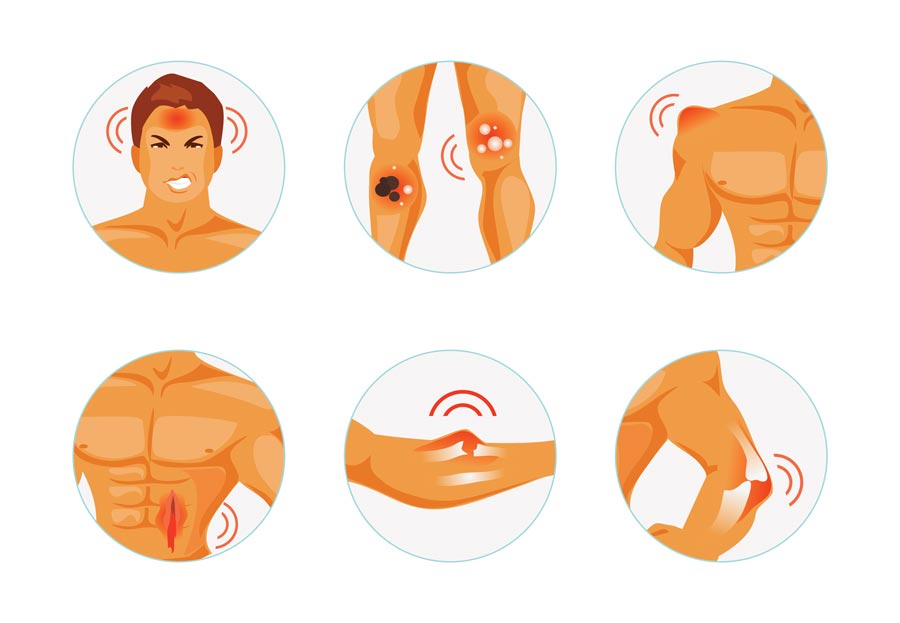
What are the symptoms of elbow dislocation?
Elbow dislocations could be complete or partial and the symptoms vary accordingly.
Complete elbow dislocation: In a complete elbow dislocation or luxation, the joint surfaces are completely separated. A person with elbow dislocation has extreme pain and distortion in the joint. In other words, the arm may look deformed with an odd twist at the elbow.
Partial elbow dislocation: In a partial dislocation, the joint surfaces are partially separated that is also called as subluxation. The joint may appear normal during this condition making it hard to detect. Movement of the elbow could be normal; however, the person may experience pain. The skin may appear bruised when the ligaments are stretched or damaged around your elbow.
What are the causes of elbow dislocation?
The most common causes for elbow dislocation include:
- Trying to stop a fall with an out-stretched hand
- Reaching out to brace oneself against impact during motor vehicle accidents
- Engaging in certain sports activities like skiing, snowboarding and ice-skating
- Having joint disorders such as Ehlers-Danlos that make joints loose and more flexible
- Overuse of the elbow joint
In children, improper lifting by one arm over a curb; swinging them by their arm or when the child suddenly steps off (a step) while you are holding their hand may lead to elbow dislocation.
How is a dislocated elbow diagnosed?
During diagnosis, the physician examines for the common symptoms in the arm or hand associated with the condition. They include:
- Numbness
- Tenderness
- Swelling
- Deformity
- Change in skin color
- Cold
Certain diagnostic tests such as X-ray, computed tomography (CT) or magnetic resonance image (MRI) may also be recommended.
- An X-ray helps to identify bone injury and also helps in determining the direction of dislocation.
- CT scan may be recommended if the results of the X-rays are inconclusive or further characterization is needed.
- MRI is used to identify the damage that might have happened to the surrounding ligaments and tendons.
How is the elbow dislocation treated?
Some dislocations may get back into normal alignment by themselves. However, majority of them need immediate medical attention and need adjustment to return into normal alignment, a procedure called reduction.
Reduction and immobilization: Before starting the process, sedatives and pain medication are given to relax the muscles and relieve pain. Reduction is carried gently and slowly by experienced medical professionals. Once the joint is aligned, the elbow is immobilized using a splint or sling for few weeks. However, if the elbow is kept immobilized for a longer time the ability to restore its normal functionality may be affected. Hence physical therapy involved in strengthening the muscles and tendons is required to support the elbow after healing. Some people may never be able to fully extend their arm even after physical therapy. However, the elbow can still move well even with reduced range of motion. Repeated assessment through X-rays during recovery process helps to ensure proper alignment of bones in the elbow joint.
Surgery: Surgical treatment is required if the dislocated bone is broken, or when there is any damage to the ligaments; nerves or blood vessels surrounding the elbow. In some cases, there could be multiple fractures in the bone. Surgery involves restoring the alignment and repairing the adjacent structures that are damaged. Later after the surgery, an external hinge may be used to help keep the joint in line and protect the elbow from dislocating again.
What are the possible complications of elbow dislocation?
- Elbow dislocations could be associated with single or multiple fractures in elbow bones.
- Sometimes, the blood vessels may become trapped in between the dislocated bones or in the joint after alignment. This may lead to severe pain and permanent damage to the tissue due to lack of blood supply.
- When a nerve becomes pinched or trapped between the dislocated bones or in the joint after realignment, may cause numbness in the arm or hand.
- Some dislocations may involve pulling off a small bit of bone along with the stretched ligament.
- The dislocate elbow is always at a higher risk of developing osteoarthritis in future.
How can the elbow dislocations be prevented?
- Avoid situations that increase risk for fall and always keep in mind to not fall on your outstretched hand.
- Take proper care while lifting your children and avoid lifting or swinging them by their arms.
References
- https://emedicine.medscape.com/article/96758-overview
- https://orthoinfo.aaos.org/en/diseases--conditions/elbow-dislocation
- https://www.mayoclinic.org/diseases-conditions/dislocated-elbow/symptoms-causes/syc-20371688
- https://radiopaedia.org/articles/elbow-dislocation
- https://my.clevelandclinic.org/health/diseases/17942-dislocated-elbow