Bone fractures are one of the most common injuries that are usually caused by sports, car accidents, falls, or aging of bones (osteoporosis). Treatments are required to put the broken bone pieces back together and to prevent further complications.
Reduction is the surgical procedure to repair bone fractures and to realign the dislocated bones to their anatomical position. Depending on the severity of bone fractures, reduction procedures can be performed by either “closed” or “open” method.
What is an open reduction and internal fixation?
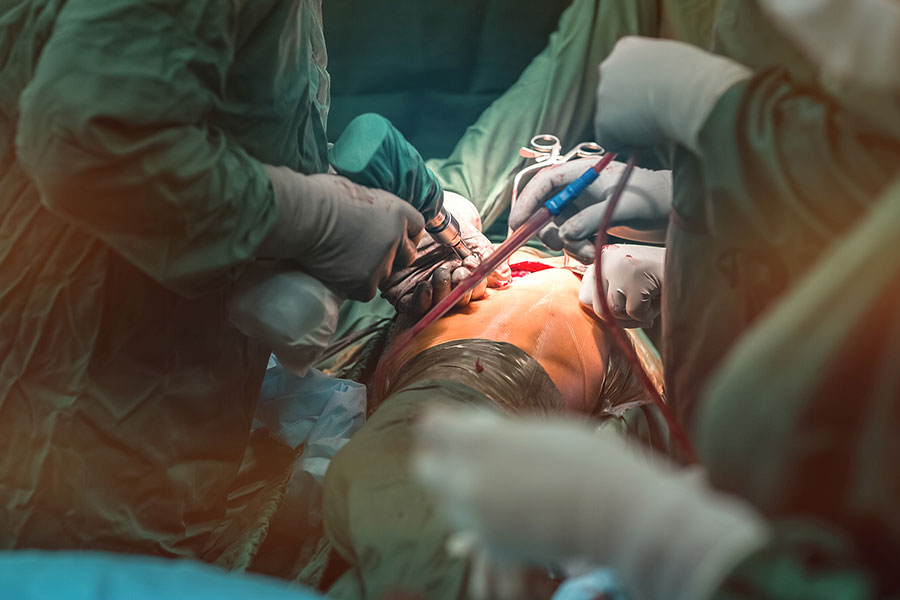
An open reduction and internal fixation (ORIF) is a surgical procedure to repair the broken bones. It involves aligning the bone back into the right place with an open incision (open reduction) and holding the broken bones together using metal screws, plates, sutures, or rods (internal fixation). It is often done as an emergency procedure.
What are the indications for open reduction and internal fixation?
ORIF surgery is recommended when the non-surgical or closed reduction treatment did not heal the condition properly or when the bone fractures are so severe that:
- The bones are broken into multiple pieces
- The broken bone pieces are sticking out of the skin
- The bones or joints are dislocated.
What are the pre-procedure care for open reduction and internal fixation surgery?
As ORIF is usually performed as an emergency procedure, surgeon may ask about:
- Medicines and supplements you are taking
- Time of your last meal
- Allergies and other medical conditions you have.
If the surgery is planned, then some instructions will be given by the surgeon to prepare you for the procedure. This includes:
- Temporarily discontinue certain drugs at least one week before the procedure as it may cause some complications during the surgery. E.g., Aspirin, ibuprofen.
- Do not eat or drink anything 6 to 8 hours before your surgery.
- Arrange someone to ride you to and from the hospital and to help you at home after the surgery.
Anesthesia: Prior to the procedure, the anesthesia team will discuss about the type of anesthesia to be used for the surgery. They will also ask about any previous history of allergy to anesthesia and also examine your general health. ORIF surgery is usually performed under either general anesthesia or in some cases regional anesthesia. General anesthesia will put you into an unconscious state during the procedure, while regional anesthesia will only numb the portion of the body that will undergo the surgery.
How is open reduction and internal fixation surgery performed?
An ORIF surgery may take several hours depending on the severity of fracture and its location.
The surgery is performed in two stages. The first stage aims to restore the normal alignment of the fractured bones, while the second stage aims in internal fixation. The procedure involves the following steps:
- Anesthesia will be administered before the procedure along with a nerve block (injection that will block the pain signals along a group of nerves) to decrease pain after surgery.
- The surgeon will make few incisions on the skin over the fractured bone.
- Through these incisions surgeon will move the pieces of bone to the correct position.
- The broken bone pieces are then held together using metal plates, rods, sutures or screws.
- Incisions are closed using stitches or staples and are covered using surgical bandages.
- A cast or splint will be put in order to protect the area as it heals.
- Immediately after the procedure, an X-ray is taken to confirm that the bones are placed in the correct position.
What are the post-procedure care?
After the procedure, you will be taken to a recovery area where you will be closely monitored until you are awake. Most cases, patients can go home the next day after the surgery, but some cases may require longer hospital stay.
During your hospital stay, surgeon will recommend a physiotherapist who will teach to help you regain strength and motion of the operated area. He/she will also teach you how to use supportive devices, such as crutches, wheelchair, etc.
Post-procedure care at home includes:
- Mild pain and discomfort few days after the surgery can be managed by the pain kills prescribed by the surgeon.
- Keep the operated area in an elevated position above the level of heart to avoid swelling. You can also keep ice packs for the same.
- Keep the surgical dressings and the incision site clean and dry to avoid infections and irritations.
- Use supportive devices to avoid any pressure or weight on the healing area.
- Continue the physical therapy and exercises as per the instructions of your physiotherapist.
Outlook
Open reduction internal fixation surgery is recommended to fix severely broken bones. The procedure has a high success rate. The surgery offers complete recovery, where patients can fully return to normal daily activities. Some potential complications of ORIF surgery are infection, stiffness, reduced range of motion and arthritis in the long run.
Sources
- Open Reduction and Internal Fixation Surgery. https://www.winchesterhospital.org/health-library/article?id=539804. Accessed on: 19-03-2020.
- Open Reduction and Internal Fixation (ORIF). https://intermountainhealthcare.org/ckr-ext/Dcmnt?ncid=521402750. Accessed on: 19-03-2020.
- Internal fixation for fractures. aaos.org/en/treatment/internal-fixation-for-fractures/. Accessed on: 19-03-2020.