Bowing of the knee is a common bone deformity in infants, which is caused due to their cramped position in the womb. It can be unilateral, affecting only one leg or bilateral, affecting both the legs. In severe cases, this deformity can lead to waddling gait.
What is bowing of the knee?
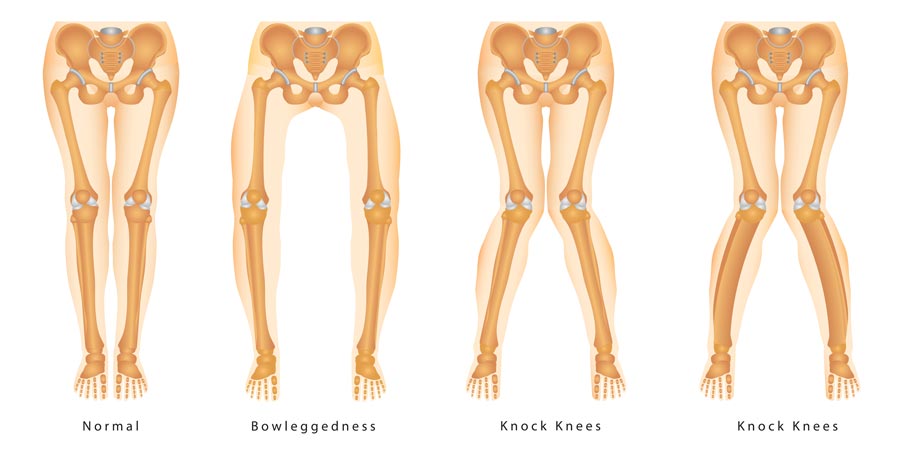
Bowing of the knee or legs medically termed as Genu Varum, is a physical deformity, in which the knees are curved outwards. The knees of the affected child may stay wide apart, even though the person stands with ankles together.
Bowing of the knee may be present from infancy through adulthood. This condition usually improves once the child turns 12 to 18 months.
What are the symptoms associated with bowing of the knee?
Bowed legs are usually accompanied with awkward walking pattern. However, this condition doesn’t cause any pain or discomfort. In long-term, if the condition is left untreated, it may lead to discomfort in the ankles, knees, or hips.
What are the causes and risk factors of bowing of the knee?
Bowing of the knee is caused by the following conditions:
- Rickets, a bone deformity which occurs due to prolonged vitamin D deficiency leading to the formation of soft and weak bones.
- Blount’s disease, a condition in which the shin (front of the legs below the knee) develops abnormally, curving below the knee. This condition gradually worsens over time as the child starts walking. Risk of Blount’s disease is high in girls and in children who start walking early.
- Achondroplasia, a common form of dwarfism can result in bowlegs over a period due to abnormal bone growth.
Other causes for bowlegs include:
- Poorly healed bone fractures
- Abnormally developed bones
- Physical trauma
- Horse riding
- Fluoride or lead poisoning
How is bowing of the knee diagnosed?
Early diagnosis helps in the better management of the condition. Bowlegs can be easily identified by looking at the bow-shaped legs of the person while they stands or walks. However, to understand the severity and the underlying cause, the doctor may:
- Take the leg measurements
- Observe the way the person walks
- Order for x-rays or other imaging tests to identify bone abnormalities
- Order for blood tests to determine if the bowlegs are a result of rickets or Paget’s disease
What are the treatment options?
Usually, treatment is not necessary for infants and toddlers because the bowed legs become straight as the child starts to walk. However, if the condition persists even after the child is 2 years, a doctor’s consultation is needed. Also, treatment is recommended if the condition is very severe, or if it worsens overtime or if an underlying condition is identified.
Non-surgical treatment options to correct bowing of the knee include:
- Wearing special shoes designed for the condition
- Using casts and braces
- Medications, such as vitamin D or calcium supplements to cure rickets in the initial stages
- Treatment of conditions that may lead to bowlegs
If the above non-surgical methods fail to correct the bowlegs, the physician will recommend surgery to prevent permanent damage.
A high tibial osteotomy is the choice of surgery, especially in younger patients. This procedure helps realign the knee joint by reshaping the shin bone, thereby relieving pressure on the knee joint. Additionally, this surgery delays or even prevents the need for a total knee replacement. Recovery may take around 3 to 8 months during which the person is advised to wear a brace for at least one month.
Prevention
Taking necessary precautions to prevent certain conditions, which may lead to bowing of the knee is the best way to prevent this disease. Measures to prevent the condition and its recurrence include:
- Get sufficient vitamin D through diet and sunlight
- Avoid arthritis by preventing the overuse of the knee joint
- Allow proper healing of the fractures