Foot deformities are conditions involving structural abnormality or muscular imbalances that affect the normal function of foot and its appearance. There are several conditions that lead to foot deformities like bunions (bony bump), forefoot disorders, such as rheumatoid diseases etc. Most recognizable foot deformity is the deformity of the big toe which causes pain after a long walk or will restrict your flexibility and mobility in your daily activities. Though there are different types of surgeries to correct the misalignment of the big toe, osteotomy is the common correction surgery for foot deformities.
What is osteotomy of the big toe?
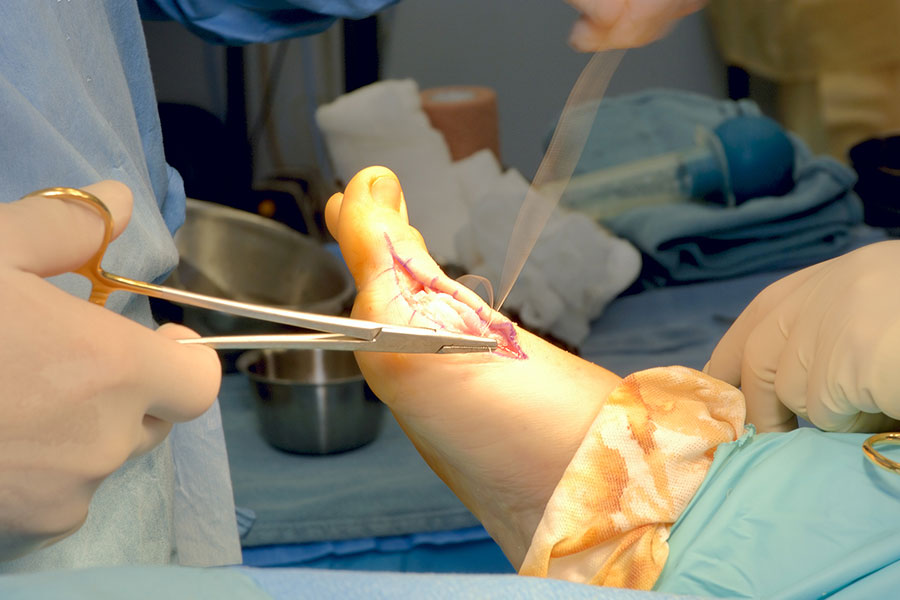
Osteotomy of big toe is a surgical procedure that cuts and reshapes the parts of the big toe in your foot. It aims to relieve pressure from deformity or an injury. Bringing the big toe back to its normal position may involve realigning the bone, ligaments, tendons, and nerves.
Indications for osteotomy of the big toe
There are several indications for big toe osteotomy; the most common are:
- Significant foot pain which limits normal activities, including walking or wearing shoes.
- A severe big toe inflammation and swelling that does not improve with non-surgical treatments.
- Any deformity of the toe may restrict the normal functions of the toe. Major deformities of big toe are:
- Hallux valgus (the big toe drifts to the outer edge of the foot and crowds the small toes)
- Hallux rigidus (form of degenerative arthritis that causes pain and stiffness of the big toe)
- Forefoot disorders, such as rheumatoid diseases.
What are the pre-procedure cares for osteotomy of the big toe?
An X-ray imaging test of your foot will be performed before the surgery as the X-ray images will help your surgeon to plan your surgery. Before undergoing the surgical procedure, you have to follow certain instructions from your healthcare provider, some are given below:
- Temporarily stop taking some medications before the procedure.
- Do not eat or drink anything after midnight on the day of your procedure.
- Arrange someone to drive you home and assist you after surgery.
- Stop smoking and drinking as it may prolong the recovery time after the surgery.
In addition to the above instructions, you may also be instructed to have some lifestyle modifications like weight management for those who have a high BMI.
What will happen during surgery?
Before the surgery begins, an IV (intravenous) line is put into a vein in your arm. Anesthesia is administered through this IV line. The type of anesthesia depends on the surgical procedure. You may be given either general anesthesia (which puts you to sleep throughout the procedure) or local anesthesia (which numbs a specific area) along with a sedative (medicine to help you relax). Once the anesthesia is administered, the procedure commences as follows:
- An incision is made on your foot over the area to be fixed.
- This cut will expose the bones on the toes and the connective tissues (tendons and ligaments) around it.
- If there are abnormalities in the joint, a small cut is made in the bones and this new break is fixed using pins, screws, or metal plates. This will make the bones straight and balance the joint.
- In some cases, a small wedge of bone is removed (in addition to the cutting of bone) to provide enough space to straighten the toe.
- If toe bone has a bony bump, the bump is removed using a bone saw by which the big toe bone is shortened and realigned.
- Once the procedure is completed, the incision will be closed with stitches and a bandage will be placed over your foot.
What are the post-procedure cares after big toe osteotomy?
Soon after the procedure, you will be shifted to the recovery room. As the effect of anesthesia wear off, medicines are given for short-term pain relief. You should wear a brace, a special surgical shoe to protect your foot while it heals. Before going home, surgeon may give certain instructions which should be followed during your recovery at home. It includes:
- Keep your leg in an elevated position to avoid swelling.
- Use crutches or walker to keep weight off your foot.
- Keep the surgical dressings and bandages clean and dry to avoid infections.
- Avoid putting weight on your foot or stop using supportive devices without any instruction from the surgeon.
- Exercise regularly as instructed by the physiotherapist to restore your foot's strength and range of motion after surgery.
It may take several months for your bones to fully heal. Your surgeon will advise you to slowly return to your normal activities and continue wearing the surgical shoes until the bones have completely healed.
Outlook
Osteotomy is a procedure used to shorten or lengthen a deformed bone that doesn’t line up with a joint like it should. Osteotomy of the big toe aims to bring back the normal flexibility of the joint and to correct the deformity. The procedure is highly successful, and most patients are happier with the overall shape and function of the foot. Once the healing has occurred and swelling is resolved (around 6 months later), the patient can comfortably fit into shoes.
Sources
- Osteotomy and Ligament or Tendon Repair (Bunion Surgery). https://www.saintlukeskc.org/health-library/osteotomy-and-ligament-or-tendon-repair-bunion-surgery. Accessed on: 24-03-2020.
- Hallux Rigidus: Management and Treatment. https://my.clevelandclinic.org/health/diseases/14665-hallux-rigidus/management-and-treatment. Accessed on: 24-03-2020.
- Bunion Correction Surgery: Recovery and Outlook. https://my.clevelandclinic.org/health/treatments/15383-bunion-correction-surgery/recovery-and-outlook. Accessed on: 24-03-2020.
- Bunion Surgery. https://orthoinfo.aaos.org/en/treatment/bunion-surgery/. Accessed on: 24-03-2020.