What is bone fusion surgery on big toe?
Bone fusion surgery of the big toe involves fusion of the metatarsophalangeal (MTP) joint of the big toe. The damaged cartilage is removed and the two bones are fused together to form a single, solid bone.
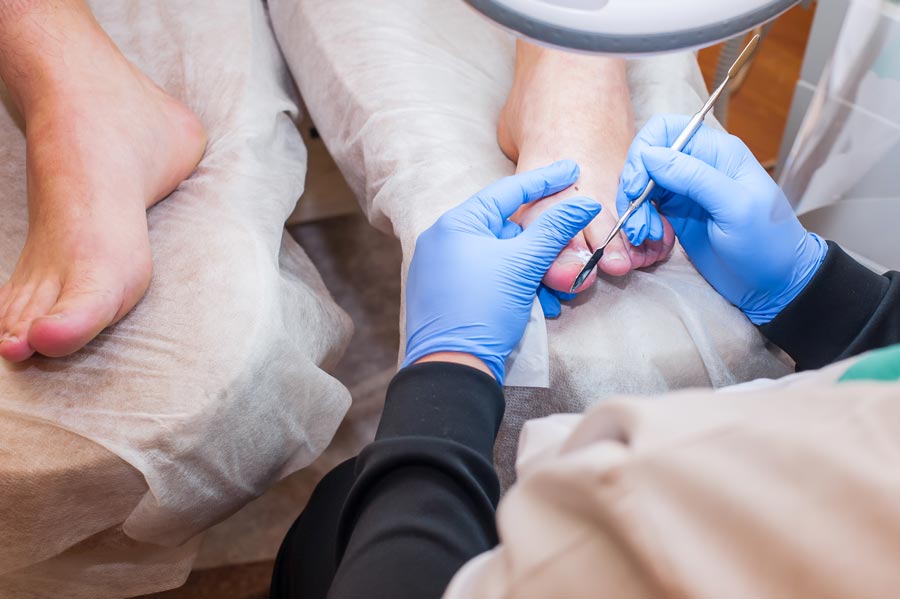
Why is a bone fusion surgery on big toe performed?
Bone fusion surgery of the big toe is done to treat arthritis of the big toe, a condition also known as hallux rigidus. The surgery helps in reducing swelling, stiffness and inflammation, and is performed only when the other non-surgical methods such as changes in footwear, activities, or use of steroid injections are not effective in reducing the pain and stiffness in the joint.
Preparation for the surgery
It is advisable to be prepared for the surgery to avoid anxiety related to the surgery. The following preparation may be necessary:
- Inform the doctor about the presence of any medical issues such as infection or severe narrowing of the blood vessels as these patients are not suitable for the surgery.
- Avoid anti-inflammatory medicines and stop smoking for a few weeks before and after the surgery as it can delay the healing process or may even prevent the fusion of bones.
- Avoid any food or drinks for at least 6 hours before the surgery. Take the recommended medicines only with a sip of water.
- Arrange for a driver as it would not possible to drive back home after discharge.
- Arrange for someone at home for one or two days to help in day-to-day activities.
Procedure of bone fusion in big toe
The surgery is performed under regional / general anaesthesia by an orthopedic surgeon. Additionally, a local anaesthestic block is infiltrated around the ankle to cause numbness in the foot. It may take around 45 minutes to 1 hour for the completion of the procedure.
The surgeon makes an incision of about 5cm long on the top of the big toe to access the arthritic joint. Through the incision, the bone spurs that grew around the big toe joint are removed and the remaining cartilage is cleared to expose the lower surface of the joint. The surface is drilled to create holes and prepare it for fusion. This stimulates the stem cells at the end of the bones to facilitate union. Once the surfaces are ready, they are aligned properly and fixed using small plates and screws to heal into one solid bone. Finally, the incision is closed with biodegradable stitches and a big bandage is tied around the foot.
Recovery after the surgery
The patient may return home on the same day or on the next morning. Before discharge, the physiotherapist gives instructions regarding the use of special shoes to bear the weight and the use of crutches, and ensures that the patient can move safely around without pain.
People may have different responses to the surgery. Some may be able to walk early and easily when compared to the others. The patient should take the below measures during the recovery:
0 to 2 weeks: Use weight-bearing shoes. Take rest, avoid excess work or social activities. Try to elevate the foot whenever possible, and apply ice packs to control swelling. Take painkillers as advised by the doctor. Keep the bandage totally dry. Use a waterproof cover around the foot while taking shower.
2 to 6 weeks: Continue to use the weight bearing shoes, avoid prolonged periods with foot down and avoid long journeys. The surgeon might need an x-ray at six weeks to confirm healing.
2 to 4 months: Day-to-day activities may be started. However, high impact activities should be avoided.
4 to 6 months: Exercises may be started under the supervision of a physiotherapist.
Most of the treated people can return to sports or other high-impact activities within 6 months which may further improve during the next few months. There may be mild swelling in the ankle for up to a year after the surgery.
Visit the doctor regularly as per the follow-up appointments scheduled.
What are the risks associated with the surgery?
Any kind of surgery is associated with certain risks. Although rare, the following risks can occur with a bone fusion surgery in the big toe:
- Nerve injury and loss of sensation on the back or side of the big toe
- Wound or deep infection especially in people with diabetes
- A clot in the calf vein which can occasionally travel to the lungs
- Tendon injury
- Stiffness in the neighbouring joints
- Painful hardware
- Malunion (healing in the wrong position)
- Non-union (lack of healing)
The risk of developing complications varies from person to person. All the necessary measures are taken by the surgical team members to prevent or minimise complications from occurring.