Arthritis is a condition of the joints and affects different individuals in different ways and therefore, the features, complications, prognosis and treatments vary with individuals. Usually, arthritis reduces the quality of life in the affected individuals. Each day, nearly millions of people suffer due to the pain and disability associated with arthritis and related complications.
What is Arthritis?
Arthritis is a condition which involves the inflammation of joints leading to pain, swelling and stiffness of one or more joints. It is not a single condition but includes several different types (over 100 have been identified). The most common types include osteoarthritis (involves wear and tear of cartilage, the tissue that covers the end of bones) and rheumatoid arthritis (an autoimmune disease in which the immune system cells attack one’s own joint tissues).
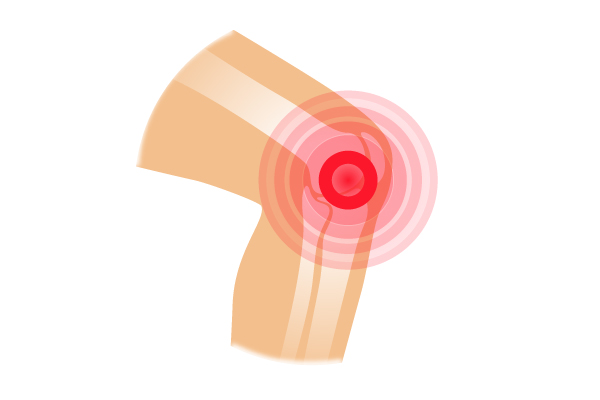
What are the symptoms of Arthritis?
The associated symptoms may vary with the type of arthritis and may include:
- Joint swelling, redness, tenderness and warmth
- Loss of range of motion of the joint
- Stiffness and weakness
- Locking of the joints
- Difficulty to walk
What are the causes and risk factors of Arthritis?
Depending on the type of arthritis, the causes may include:
- Injury (usually leads to osteoarthritis)
- Metabolic abnormalities (for example increased uric acid levels can lead to gout while hypercalcemia can lead to pseudogout)
- Autoimmune dysfunction (usually lead to rheumatoid arthritis)
- Certain bacterial and viral infections (septic arthritis)
Arthritis can usually affects and adults, both males and females, there are certain types of arthritis that can affect children also. Risk of injury from certain activities can lead to trauma related arthritis.Obesity can increase the risk of developing arthritis due to stress on the joints associated with excess weight. Genetic predisposition is one of the risk factors for arthritis.
How is Arthritis diagnosed?
Diagnosis is based on the pattern of symptoms. Early diagnosis of the type of arthritis helps to prevent further damage of the joint.
The doctor reviews the history of symptoms and performs a physical examination of the joints to check for inflammation, deformity and range of the motion of the affected joint.Also, he or she may examine other body parts for signs of disease. Further, one or more of the following tests may be ordered to identify the type of arthritis:
Laboratory tests usually involve the analysis of bodily fluids such as blood, urine and joint fluid. The most common being blood, in case there is no sufficient evidence the doctor can draw a small sample of the joint fluid by inserting a needle into the joint space for analysis.
Imaging tests may be conducted to detect internal problems that might be causing the symptoms. The most common imaging tests include:
X-rays: x-rays may be used to detect joint space narrowing, cartilage loss and joint spurs (the common signs of osteoarthritis). X-rays are usually used to track the disease progression and are not helpful in the early stages of arthritis.
Ultrasound: It uses high frequency sound waves to generate images of cartilage and bursae (i.e. the fluid filled structures near the joints).
Computerized tomography:CT scans provide cross-sectional views of the internal structures by combining images taken from different angles. CT scans provide images of both bones and the adjacent tissues.
Magnetic resonance imaging (MRI): An MRI provides more detailed images. It is used to obtain cross-sectional images in multiple planes, other than giving accurate information about the bones, it also is the best method to study adjacent soft tissues like cartilage, ligaments, tendons and others.
What are the treatment options?
Even though the causes may be multiple, the treatment principles remains the same for most varieties. Treatment aims at reducing the symptoms, preventing further damage of the joints and improving the joint mobility. The doctor may try different combination of treatments to determine the best treatment for an individual.
One or more of the following medications may be prescribed to improve the joint function:
- Analgesics (pain killers) such as acetaminophen or hydrocodone are effective in reducing the pain but cannot reduce inflammation
- Non-steroidal anti-inflammatory drugs (NSAIDS) such as ibuprofen or salicylates can relieve pain and control inflammation
- Counterirritants such as menthol or capsaicin containing creams may be applied locally to block the transmission of pain signals from joints to the brain
- Immunosuppressants such as cortisone or prednisone can minimize inflammation
- Disease-modifying antirheumatic drugs (DMARDs) such as hydroxychloroquine or methotrexate stop the immune system from attacking the body tissues. They are therefore, usually effective to treat rheumatoid arthritis
Surgery may be necessary in advanced stages to replace the affected joint with an artificial joint. It is most commonly done to replace weight bearing and other large joints like knee, hip, shoulder and elbow joints.
Joint fusion is a procedure in which the ends of the bones are locked togetheruntil healing occurs and is performed in severe affliction of arthritis like, septic arthritis and arthritis of the wrist, hand and feet joints.
Some forms of arthritis can be improved with physical therapy.Regular exercise helps in strengthening the musculoskeletal system, thereby, providing joint stability and improving the balance.
Self-care
Taking the following measures can help to minimize the symptoms of arthritis:
- Regular exercises such as swimming and aerobics can improve the flexibility of the joints
- Losing excess weight can reduce the stress on the weight-bearing joints, thereby, improving the mobility and reducing the risk of future injuries
- Use of heating pads and cold packs can relieve the pain
- Use of assistive devices such as walkers, canes, raised toilets can improve the ability to carry out daily activities
Prevention
The below measures are helpful to prevent or reduce the risk of developing arthritis:
- Maintaining a heathy weight
- Quitting the habit of smoking
- Avoiding injuries while playing sports or involving in other such activities
- Performing simple weight bearing and balance enhancing exercises regularly