One may experience knee pain as their age increases. But a frequent knee pain at a young age that often increases with some activities like running, climbing stairs, squatting, etc. may suggest damage to the knee cap.
What is patellofemoral syndrome?
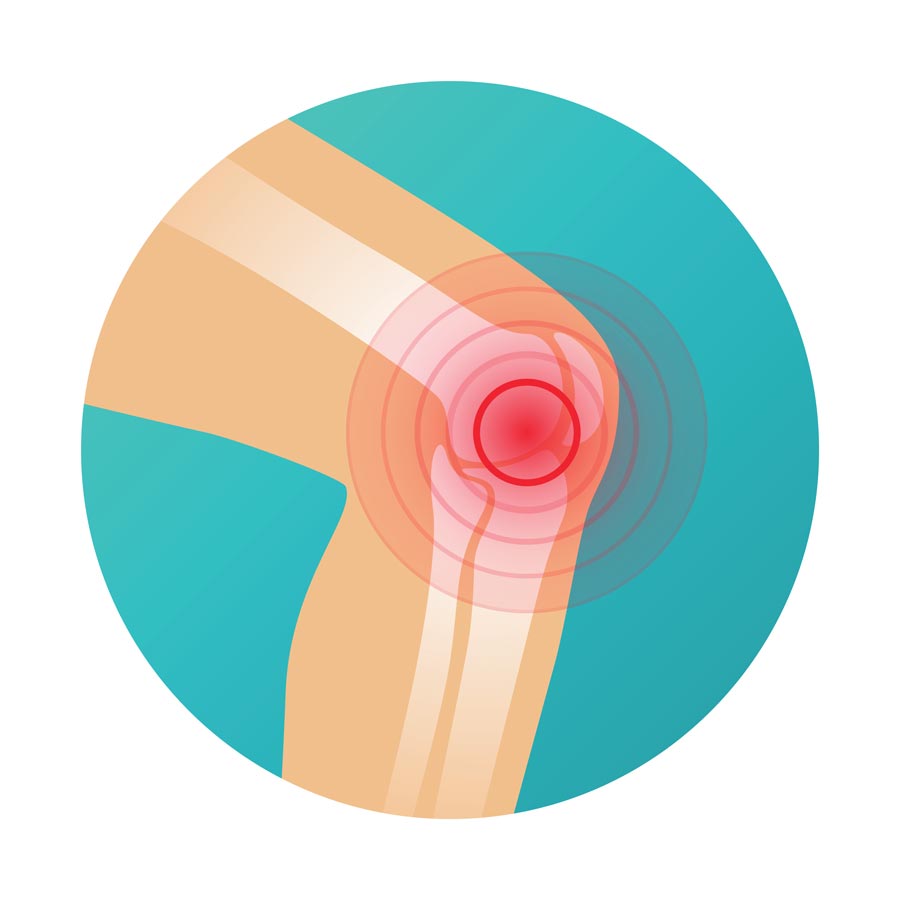
Patellofemoral pain syndrome is the medical term for the pain felt behind your kneecap, where the patella (kneecap) joins thigh bone (femur), known as the patellofemoral joint. Though the condition can be developed in non-athletes, it is also called as “runner's knee” or “jumper's knee” as it is common among people who are actively involved in sports.
What are the symptoms associated with patellofemoral syndrome?
A dull, aching pain in the front of the knee that begins gradually is the most common symptom of patellofemoral syndrome. This pain may worsen with some activities and can occur in one or both the knees. Other common symptoms include:
- Pain during exercise and other activities with repeated bending of the knee like climbing stairs, running, jumping, or squatting etc.
- Popping or crackling sounds in your knee while climbing stairs or standing after prolonged sitting.
- Pain after prolonged sitting with your knees bent, such as in a movie theater or travelling in a car.
What are the causes and risk factors of patellofemoral syndrome?
In most cases, patellofemoral pain syndrome is caused by vigorous physical activities that cause repeated stress on the knee. The other possible causes of the condition are:
- Injury: Any injury or trauma to the kneecap can stimulate the kneecap pain.
- Muscle weakness and imbalance: When the muscles around the hip and knee fail to keep the kneecap aligned in its position, it can cause patellofemoral pain. In addition to this, poor foot posture can cause knee to twist abnormally, causing pain on the kneecap.
- Surgery: Some knee surgeries like grafting can also lead to kneecap pain.
The risk of developing patellofemoral syndrome is high for the following individuals:
- Women have higher risk of developing patellofemoral pain than men as the angle at which the bones in the knee joint meet will increase because of their wider pelvis.
- Adolescents and young adults who are exposed to strenuous physical activities.
- Sports persons who are actively participating in running and jumping activities which may put extra stress on the knee.
- People with flat feet are at higher risk of patellofemoral syndrome as it will cause additional stress on their knee joints.
How is patellofemoral syndrome diagnosed?
As the signs and symptoms are similar to other conditions affecting knee, your doctor will ask about history of knee problems and physically examine the area for the signs of instability by moving your leg in various positions. To find out the cause of this condition, imaging tests like X-rays, CT scans and MRI are preferred.
What are the treatment options of patellofemoral syndrome?
Medical treatment for patellofemoral pain syndrome aims to relieve pain and restore normal range of motion and strength of knees. In most cases, patellofemoral pain will improve with nonsurgical treatment and simple home treatments. Surgical methods are rarely needed for the management patellofemoral syndrome.
In non-surgical treatment, your doctor may recommend:
- Lifestyle changes: Limiting the activities that put stress on the knees and maintaining a healthy body weight will aid in better recovery from the condition.
- I.C.E protocol: R. I. C. E protocol helps to control the pain and swelling around the kneecap. R.I.C.E stands for Rest, Ice, Compression (using an elastic bandage), and Elevation (raising the knee).
- Medication: Use of non-steroidal anti-inflammatory drugs (NSAIDs) such as ibuprofen and naproxen can help in reducing the swelling and pain.
- Physical activities: Specific exercises can strengthen the muscles that support your knees and control limb alignment along with use of braces and proper massage will reduce the pain, aid in recovery and prevent the chances of reoccurrence of the condition.
- Orthotics: The use of special shoe or heel inserts will help to align and stabilize your foot and ankle, thereby taking the stress off your lower leg.
Surgical treatments are recommended in severe cases where the nonsurgical treatment options fail to manage the condition. The treatment includes:
- Arthroscopy: It is a minimally invasive surgical method that uses a scope fitted with a video camera. This camera will help to view the real time internal image and guide the surgeon throughout the procedure. The fragments of the damaged cartilage are removed through the small incisions made by the surgeon.
- Tibial Tubercle Transfer: This is a traditional open surgical treatment used to realign the kneecap by moving the patellar tendon (connective tissue) together with a portion of the bony projection on the shin bone (tibia tubercle).
How can you prevent patellofemoral syndrome?
It is essential to practice certain measures to prevent the risk of patellofemoral syndrome and to avoid its reoccurrence. Making some adjustments in your lifestyle can help to prevent the condition, which may include:
- Maintaining strength of the hip muscles and joints to keep the knee balanced during any activity.
- Maintaining a healthy weight to avoid overstressing your knees
- Wearing appropriate shoes for performing various activities
- Stretching and warming up before any physical activity
- Gradually increasing the athletic training intensity
- Avoiding activities that hurt past knee injuries.
- Correcting your flat foot by using shoe inserts.
Sources
- Patellofemoral pain syndrome. https://orthoinfo.aaos.org/en/diseases--conditions/patellofemoral-pain-syndrome/. Accessed on: 24-02-2020.
- Patellofemoral pain syndrome .https://www.mayoclinic.org/diseases-conditions/patellofemoral-pain-syndrome/symptoms-causes/syc-20350792. Accessed on: 24-02-2020.
- Patellofemoral Pain Syndrome (PFPS). https://my.clevelandclinic.org/health/diseases/17914-patellofemoral-pain-syndrome-pfps/. Accessed on: 24-02-2020.
- Patellofemoral pain syndrome (knee pain in young adults). https://www.versusarthritis.org/about-arthritis/conditions/patellofemoral-pain-syndrome-knee-pain-in-young-adults/. Accessed on: 24-02-2020.