Injuries to the hand and wrist are common issues, often caused by trauma or overuse. Wrist is a complex joint in our body that connects hand to the forearm. It comprises of bones, cartilage, and muscles which enable the wrist joint to perform various activities.
When the wrist is severely injured because of any infection, disease or condition like arthritis, it causes disability and pain, which can become intolerable and affect the quality of life. In cases where the non-surgical treatment fails to relieve pain or improve function, the surgical method – wrist replacement is recommended.
Joint replacement of the wrist is a less common surgery. The intricate bone structure in the wrist and small size of the hand makes the procedure more challenging.
What is wrist replacement surgery?
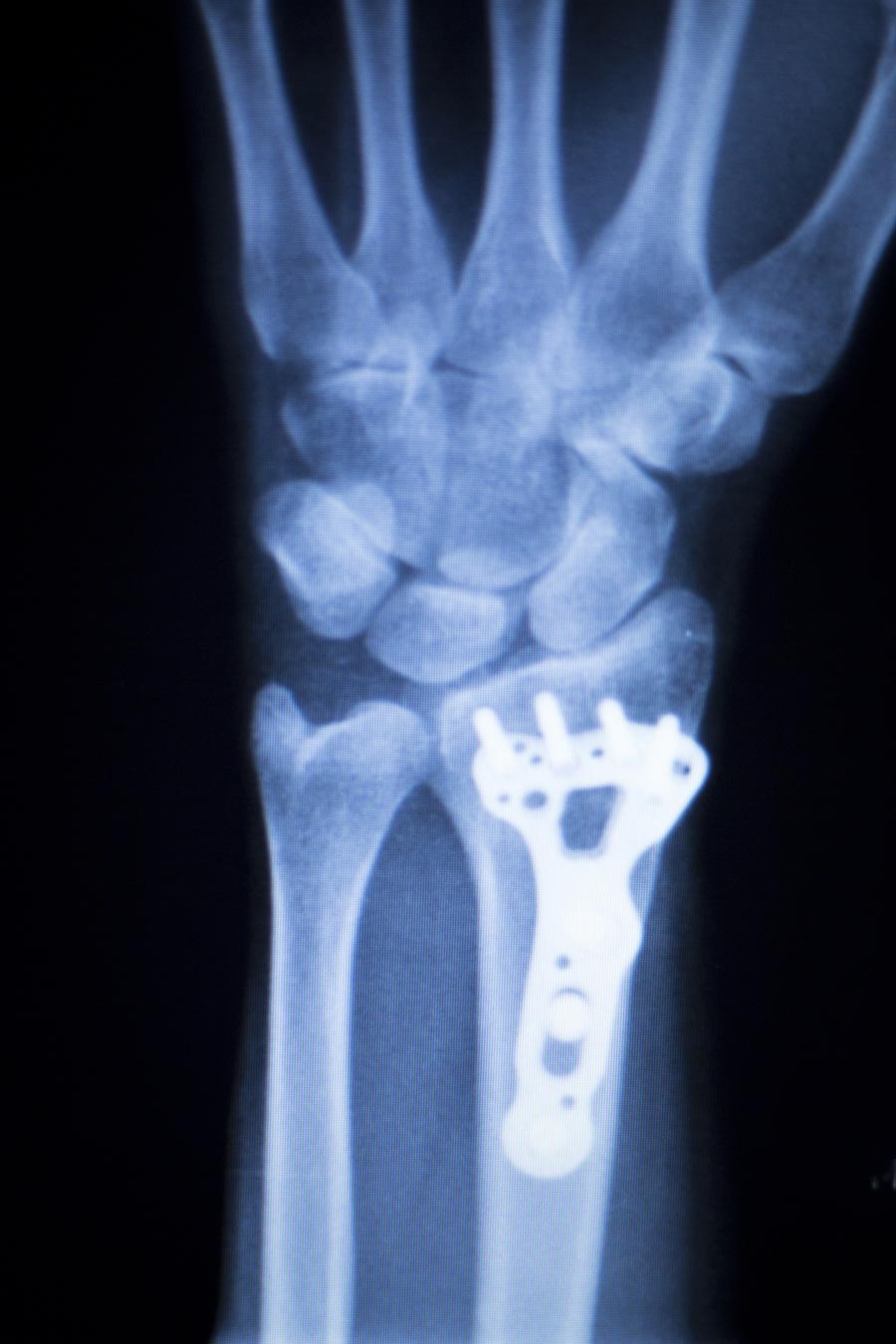
Wrist replacement, also referred as wrist arthroplasty, is a surgical method that removes a damaged portion of the wrist joint and replaces it with artificial implants or prosthetics. These prosthetics are made of silicone, polyethylene, titanium, or pyrocarbon, which will provide an improved range of motion and greater stability to the wrist.
What are the indications for wrist replacement surgery?
Wrist replacement is recommended when the non-operative treatments fail to relieve the pain and other symptoms that are caused due to various conditions like:
- Arthritis: Wrist arthritis is the condition where the smooth cartilage surfaces of the wrist joint are worn away and uneven bony surfaces are exposed making the wrist joint stiff, swollen, and painful. Types of arthritis causing wrist inflammation are:
- Osteoarthritis
- Rheumatoid arthritis
- Post traumatic arthritis.
- Advanced avascular necrosis of the carpal bones: It a rare cause of chronic pain of the wrist, reported in all the carpal bones where a complete blockage in blood supply causes cellular death of bone components.
- Kienbock disease: It is a condition where the blood supply to one of the small bones in the wrist (lunate) is blocked causing chronic pain and dysfunction.
-
Bone fractures or other trauma: When the injury due to fracture is severe and difficult to treat by using conventional methods, surgeon will recommend the wrist replacement surgery.
What are the pre-procedure care for wrist replacement surgery?
Your surgeon will inform you about the need and possibility of joint replacement; you and your surgeon together make the decision to proceed with surgery or not. Once you decide to have the surgery, you need to take several measures to prepare for the surgery; some of these measures include:
- You should undergo a physical examination by a general physician to check your overall health.
- You should also have a discussion with the physical or occupational therapist who will be managing your rehabilitation after surgery. They will evaluate the current on the ability to perform activities, severity of pain, etc. and will prepare you for the surgery.
- Surgeon will also recommend you to temporarily discontinue certain drugs like anti-rheumatic drugs, NSAIDs, blood thinners before the surgery to reduce the risk of bleeding, delayed wound healing and infection during recovery.
- You shouldn't eat or drink anything after midnight before the procedure as it may interact with the anesthesia and cause nausea or vomiting.
How is wrist replacement surgery performed?
On the day of the surgery, you will have a discussion with the anesthesia team along with your surgeon to decide about the type of anesthesia to be administered before the surgery. The wrist replacement surgery can be done under either general anesthesia or regional anesthesia. General anesthesia will make you unconscious throughout the procedure, while regional anesthesia will block the sensation or make you numb over an area like leg, hand, etc. You may be administered with a sedative to put you into sleep during the procedure if a regional anesthesia selected.
The following are the general steps followed in a wrist replacement surgery:
- You will be administered with anesthesia and will be moved to the operation room.
- Surgeon will make an incision through the skin on the back side of the wrist and cut the joint capsule that surrounds the wrist joint.
- The damaged ends of the bones are removed.
- To make room for the artificial implant, the first row of carpal bones will also be removed.
- The prosthesis is then inserted in place and tested for its range of motion.
- The prosthesis is fixed in place using bone cement.
- The carpal bones are inserted back in position and screwed well.
- Once all the components are placed back into their appropriate place, and the incisions are stitched together and covered with bandages.
What are the post-procedure care?
Wrist joint replacement can be done as an outpatient procedure where the patient can go home the same day after the surgery. You will be shifted to the recovery room until you regain consciousness.
After the surgery, the initial treatments will be focusing on controlling the pain and swelling from surgery. Your surgeon will prescribe some medicines like opioids, non-steroidal anti-inflammatory drugs etc. to relive the short-term pain. They may also use cold or hot packs to reduce the swelling in the area.
Your physiotherapist along with your surgeon will plan your recovery program where the goal is to control pain, improve strength and range of motion, and regain your hand's fine motor skills. Recovery from wrist replacement surgery takes up to three months.
Before leaving the hospital, your wrist will be protected using a cast which you have to wear up to six weeks after surgery. Once the cast is removed, a splint will be needed for extended protection which must be worn for the next 6 to 8 weeks. Your physiotherapist will give instructions to begin gentle exercises without putting too much stress on your wrist joint. This will help in increasing the strength and stability of bones and muscles around the wrist joint.
You can gradually return to your regular activities after the splint is removed. Your surgeon will inform when you can fully resume your normal activities without any risk of post-surgical complications.
Outlook
Wrist replacement surgery is a less common joint replacement surgery and is prescribed only in cases where the pain and other symptoms do not respond to the traditional treatment methods. In most cases, wrist replacement surgery is elective as the patient can decide whether to undergo the procedure or not.
In rare cases, an additional surgery is required when the implant is loose or dislocated causing deformity of the joint.
According to the American Society for Surgery of the Hand, an artificial wrist can be expected to last 10 to 15 years with careful use and rehabilitation program.
Sources
-
Wrist Joint Replacement. https://orthoinfo.aaos.org/en/treatment/wrist-joint-replacement-wrist-arthroplasty/. Accessed on: 17-03-2026
-
Wrist replacement: An option for advanced arthritis. https://www.mayoclinic.org/medical-professionals/orthopedic-surgery/news/wrist-replacement-an-option-for-advanced-arthritis/mac-20431493. Accessed on: 17-03-2026
-
An Overview of Wrist Replacement Surgery. http://blog.handcare.org/blog/2016/10/12/an-overview-of-wrist-replacement-surgery/. Accessed on: 17-03-2026
-
Total Wrist Replacement. https://www.lifespan.org/centers-services/lifespan-orthopedics-institute/hand-and-wrist/total-wrist-replacement. Accessed on: 17-03-2026