Children’s bones are softer, more flexible and different from adults. This difference makes the child more flexible, and this can have its own advantages and disadvantages. The major disadvantage of this uniqueness of bones is that the child is more prone to bone injuries and fractures than adults, and among them greenstick fracture is very common.
What is a greenstick fracture?
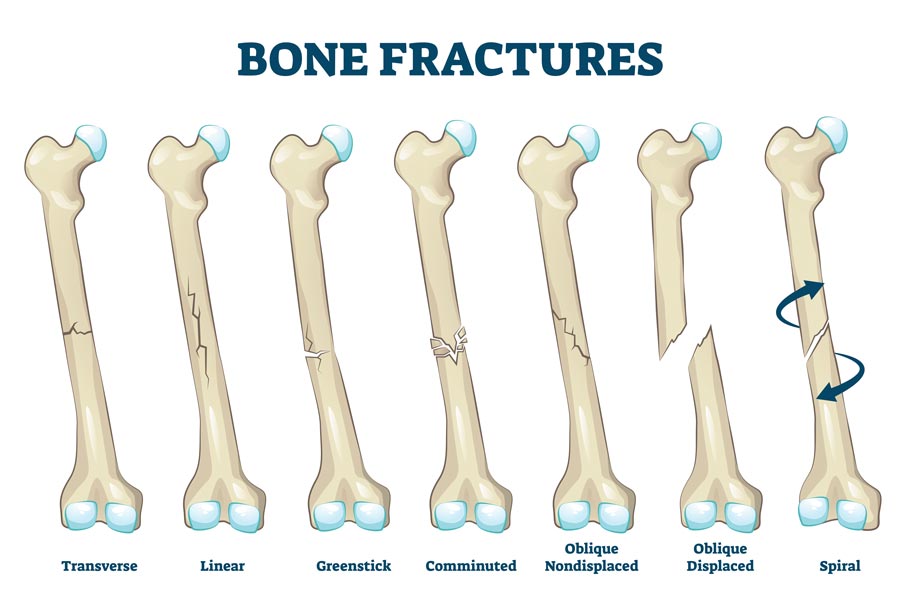
A greenstick fracture is an incomplete fracture, in which the bones bend and crack, rather than breaking completely. This type of fractures usually occur in long bones. It mainly affects young children under the age of 10 years, especially, when trying to protect themselves with arms while falling.
The fracture is named such based on the way a fresh green twig breaks when bent.
What are the symptoms of greenstick fractures?
The child might experience the following symptoms at the region of fracture:
- Pain
- Bruising
- Swelling and tenderness
- Bending or twisting of the affected bone (known as deformation)
If the injury is in the fingers, the person may not be able to move fingers for a while. Sometimes, mild fractures may be misinterpreted for bruises or sprains.
What are the causes and risk factors of greenstick fractures?
Greenstick fractures commonly result after a fall on an outstretched arm (FOOSH). Other causes for greenstick fractures are:
- Trauma, such as a motor vehicle collision
- Hitting the child with an object
- Sports injuries
Younger children under 10 years have soft and flexible bones, which are brittle when compared to adults. This increases their likelihood of developing a greenstick fracture. However, greenstick fractures can also occur in adults. Also, vitamin D deficiency can increase the susceptibility of such fractures.
How is a greenstick fracture diagnosed?
Initially, the doctor will review the symptoms and ask about any previous injuries or accidents. A physical examination of the affected site is performed to check for any swelling, tenderness, numbness, deformation or an open wound. The child might be asked to move his or her fingers in certain motions to check for any nerve damage. The doctor might also check the joints above and below the greenstick fracture.
Additionally, imaging tests, such as an x-ray is done to confirm greenstick fractures. Sometimes, the doctor will order for the x-ray of the uninjured limb to compare it with the injured limb.
What are the treatment options?
Treatment usually involves immobilization of the fractured bone with a cast. Most of the casts are left in place for 4-6 weeks for complete healing. A cast not only helps in holding the cracked bone pieces together, but also prevents further breakage of the cracks.
Pain medicines, such as acetaminophen or naproxen may be prescribed. In case of mild fractures, the doctor might straighten the bone manually under sedation or by giving pain medication.
Occasionally, a removable splint may be used to stabilize the broken bone. Removable splint is less expensive and allows the flexibility to take it off during a shower or bath.
In some serious cases, a surgery may be needed. The surgery is done to realign the bone by inserting a thin rod or a metal plate into the bone surrounding the fracture. These metal plates may be removed once healing is complete.
However, to check for the progress of healing, the doctor will recommend x-rays a few weeks after the treatment.
Prevention
Greenstick fractures can be prevented by preventing falls. Some of the measures which the child should take to prevent falls are:
- Avoid playing on smooth surfaces.
- Wear sensible shoes or footwear which do not slip.
- Remove hazards, such as electric cords, boxes or other such objects from walkways.
- Turn on the light while moving in dark places or rooms.
- Use assistive devices, such as handrails while climbing the stairs.
Outlook
Most of the greenstick fractures heal completely without any changes in the function and structure of the bone. The healing time can range from 4 to 8 weeks depending on the age of the child and the severity of the fracture.
However, if proper healing does not occur, there is a risk of re-fracture, complete breakage or displacement of the fractured bones. So, to know about the condition and healing process follow-up visits to the doctor are must.
References
- https://my.clevelandclinic.org/health/diseases/17812-greenstick-fractures/prevention
- https://www.mayoclinic.org/diseases-conditions/greenstick-fractures/diagnosis-treatment/drc-20351965
- https://kidshealth.org/en/parents/fractures-greenstick.html