Bones are rigid structures in the human body, but they can sometimes bend, crack or break when a strong force is applied externally. In addition to causing pain, fractures may also cause dysfunction of the affected bones. Fractured bones may need treatment depending upon the severity of the fracture
What is a fracture?
Fracture is the medical term for a cracked or broken bone. It can occur in any bone of the body. A fracture occurs when the external force applied is stronger than the bone itself.
Severity of the fracture depends on the force that resulted in the breakage. If the force is slightly above the breaking point of the bone, it can lead to a crack. On the other hand, an extremely high force that occurs during an automobile accident or a gunshot can lead to shattering of the bones.
Fractures can occur in different ways such as:
Closed fracture: a fracture that does break through the skin and is not exposed to the atmosphere
Open/compound fracture: a fracture that damages the nearby tissues and penetrates the skin and is exposed to the atmosphere
Comminuted fracture: a fracture in which the bone shatters into pieces
What are the symptoms of a fracture?
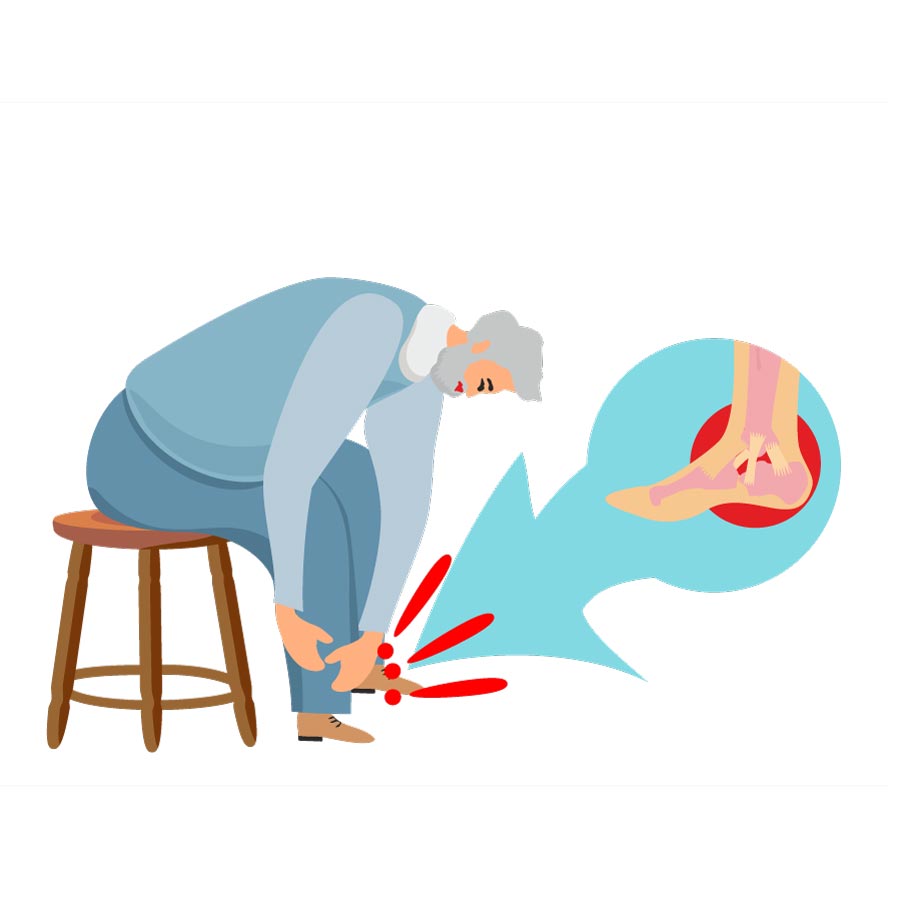
Fractures can lead to severe pain and can make it almost impossible to move the associated joint and limb. The other common symptoms of a fracture are:
- Swelling and tenderness
- Bruising
- Deformities
- Puncture of the bone through the skin or an out of place limb
What are the causes and risk fractures of fractures?
The common causes of fractures are:
- Trauma such as a motor vehicle accident, a fall, or a sporting injury
- Osteoporosis, a condition which leads to the decreased density and diminished interlinking leading to fragility making them more susceptible to fractures
- Overuse or repetitve trauma, leading to stress fractures
The risk of fractures is high in the following group of people:
- Old aged people due to the increased risk of falls and weakening of bones with age
- Children who engage in physical activities
- People with underlying conditions such as osteoporosis, a tumor or certain infections
- Sports professionals who are exposed to repeated stress and strains
How is a fracture diagnosed?
A physical examination may be performed to assess the condition and the extent of the injury. A medical history of the patient may help to determine the cause of injury.
Usually, an x-ray is good enough to diagnose a fracture. The X-rays can show the presence of a fracture, the type of fracture and the exact location in the bone.
What are the treatment options?
In most of the cases, bones can heal without any intervention, if they are not displaced, and are immobilized. However, treatment is necessary to provide the injured bone with best conditions to heal properly.
The treatment aims at restoring the function of the bone to its fullest. Treatment options for a fracture include:
Cast immobilisation
A fibreglass cast or a plastic cast is applied upon repositioning the broken ends of the bones in place to allow for a successful healing. This is the most common treatment of a fracture.
Fracture reduction/ reposition
The ends of the bones are properly aligned to help in the natural healing process. This is known as fracture reduction and is performed under general anaesthesia. It may be performed by techniques such as manipulation or closed reduction, etc.
Functional cast or brace
A cast or a brace limits or controls the movement of the adjacent joints and is effective in treating certain fractures.
Traction
A gentle and steady pulling known as traction helps in aligning the bones that may be over-riding.
External fixation
This method involves inserting metal pins or screws above and below the fracture site of the bone. The pins or screws are attached to a metal bar externally (i.e. outside the skin) to hold the bone in proper position and allow healing.
Internal fixation
In this method, following fracture reduction, the screws or metal plates are attached to the outer surface of the bone. Rods are inserted down through the marrow space to hold the broken bone fragments together.
Physical therapy
Certain exercises as suggested by the physiotherapist can help to restore the muscle strength and improve the mobility of the affected joint.
Surgery
Plastic surgery may be necessary in the case of compound fractures.
Outlook
It takes several months for a fracture to heal completely depending on the severity and the care taken by the patient. Also, time of healing depends on the age and overall health of the individual.
Although the pain lasts for a short time, it is advisable to follow the doctor’s instructions and limit normal activities until the bone is strong enough.
Prevention
The below measures can prevent the risk of some fractures:
- Taking a diet rich in calcium and vitamin D to promote bone strength
- Exposing oneself to sunlight to get adequate amounts of vitamins D
- Carrying out exercises which can increase the strength of the bones