Hand is a complex and flexible part of our body, which exhibits high range of mobility and flexibility. Physical injuries to hand or finger are quite common as we use our hands to perform most tasks and activities every day. The majority of hand traumatic injuries are work-related. These injuries can result in significant disability and affect a patient's livelihood and lifestyle.
What is hand trauma?
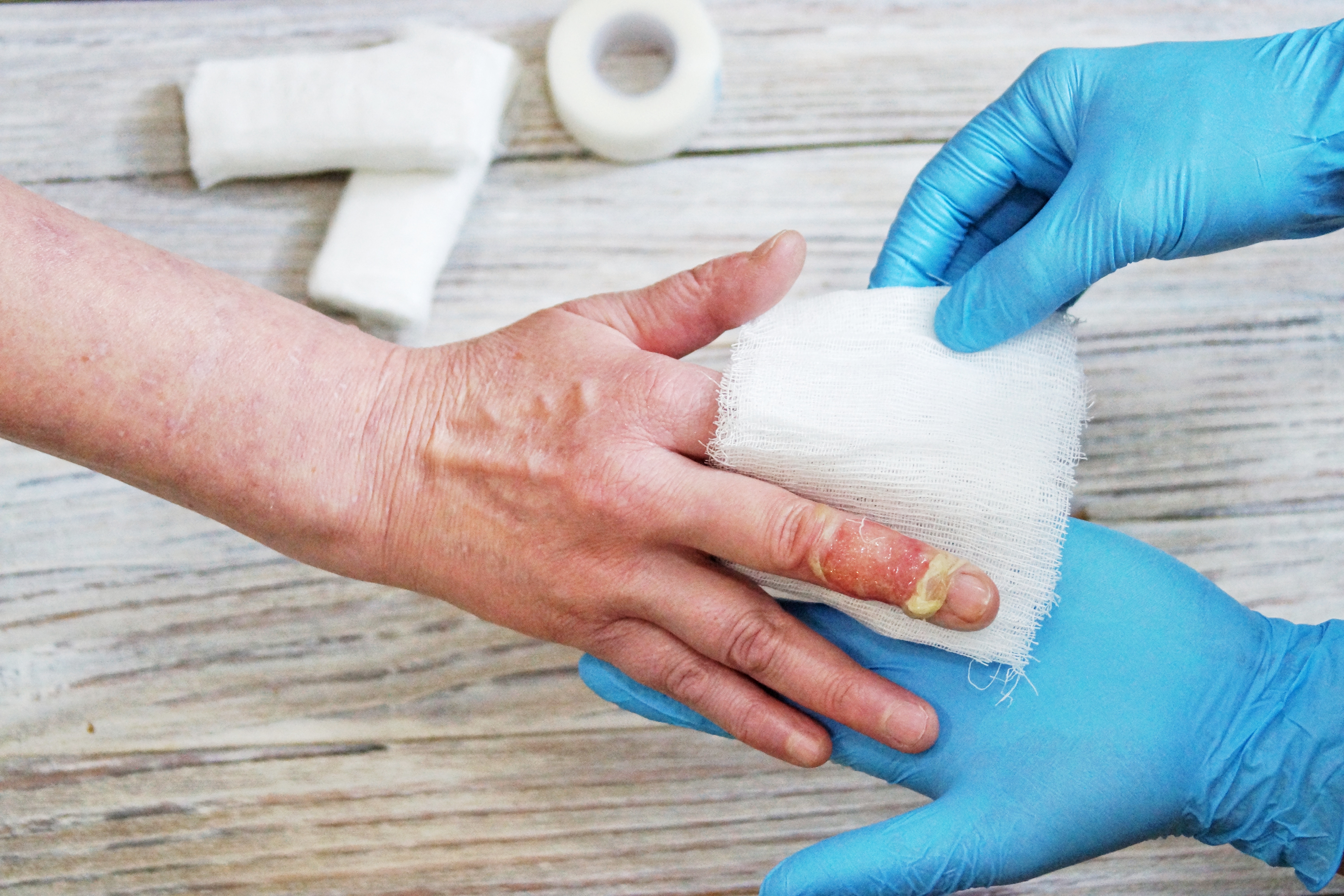
The major injuries that have been sustained on the hand are called as hand trauma. Hand injuries are of different types - a laceration (cuts), fractures, loss of fingers, soft tissue injuries, infections and burns.
What are the symptoms associated with hand trauma?
The symptoms of hand trauma vary depending on the type of injury, how it occurred, its depth, severity, and location. Important symptoms that require medical attention are as follows:
- Severe bleeding
- Numbness
- Pain, swelling, or bruising
- Deformity or, in extreme cases, exposed bone
- Limited range of motion
- Signs of infection, such as local warmth, redness, swelling, pus, or fever
What are the causes and risk factors of hand trauma?
The common causes of hand injury can include:
- Sudden falls and severe blows
- Injuries to muscles and connective tissue
- Burns
- Infections
The risk of finger, hand, or wrist injury is higher for those in contact sports like wrestling, football, or soccer, and in high-speed sports like biking, in-line skating, etc. Children are also at risk of having hand injuries which may occur during sports, from accidental falls, or while playing. Elderly people are also at high risk because of the degeneration of muscles and bones as they age. Failure to treat hand injuries properly may lead to long-term functional deficits.
How can we diagnose hand trauma?
To diagnose hand trauma, doctors will examine the hand or upper extremity and will get history of your condition. It is important to know the source of your injury before planning any treatment. In addition, they may suggest imaging techniques such as X-rays, ultrasounds or magnetic resonance imaging (MRI) to determine the extent of the injury.
What are the treatment options available for hand trauma?
Hand traumas are the major injuries that have been sustained on the hand. Here the treatment depends on the location, type and severity of the injury. In some cases, use of brace, cast or splint, and physiotherapy will be sufficient; but in others, surgical procedures will be needed. Mostly, traumatic hand condition requires surgery for complete cure and the treatment varies according to the nature of the injury.
For traumas due to burns and skin loss, a surgical method involving the transplantation of skin from healthy area of the body to the injured area (skin grafting) is followed. This helps in achieving closure of large skin injuries caused by severe burns.
For traumas due to fracture in a part of the hand, surgery to realign the fractured bone is required, followed by immobilization using cast or splint.
For traumas due to injury and infection, the treatment may include rest, use of heat, elevation, antibiotics, and surgery, followed by surgical drainage to remove the collection of pus.
For traumatic loss of digits, the surgical procedure known as toe-to-hand surgery is adopted. It involves surgical transfer of digits from the foot to the hand.
How can you prevent the chances of getting hand trauma?
Hand traumas are a result of repeated hand injuries. Failure of proper treatment for hand trauma may worsen the condition and affect the normal functions of hand. To prevent hand trauma, you should avoid hand injuries by following these measures:
- Be alert and aware about the hazards involved in your work.
- Stay alert when you are handling chemicals like greasing substances, oils, dyes, some cleaning solutions as they can seriously damage your skin and the soft tissues.
- Take care of the wounds to avoid severe infections and sepsis.
- Stay alert and attentive when children are playing and doing outdoor activities.
- Seek for medical attention if you suspect any hand injury.
Sources
-
Traumatic hand and upper extremities. https://utswmed.org/conditions-treatments/traumatic-hand-and-upper-extremity-injuries/ . Accessed on: 19-02-2020.
-
Hand trauma. http://www.bapras.org.uk/public/patient-information/surgery-guides/hand-trauma. Accessed on: 19-02-2020.
-
Types of hand surgeries. https://stanfordhealthcare.org/medical-treatments/h/hand-surgery/types.html. Accessed on: 19-02-2020.